
Blog ·
A more realistic scrambled channel
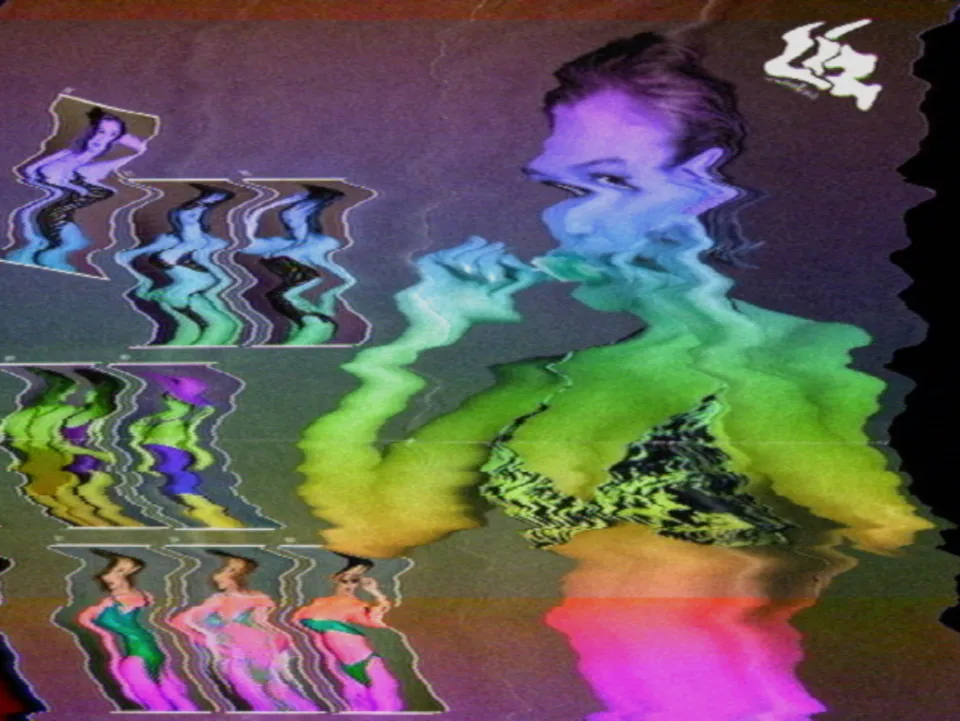

Try it: scrambled channel.

Before: the TV found its timing marks again, and the picture only washed out.
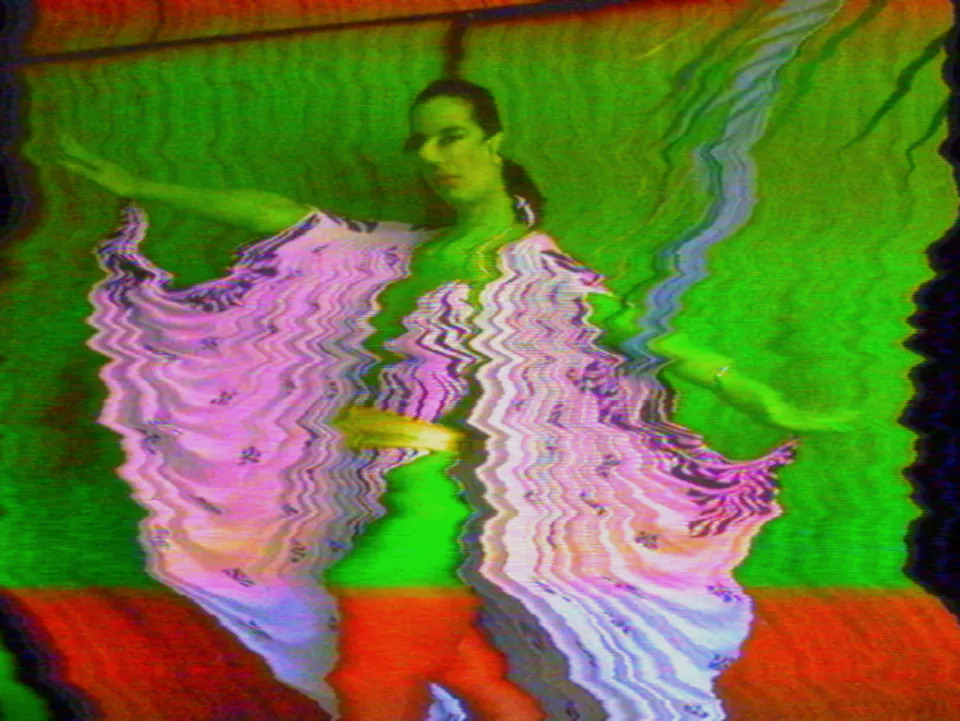
After: the picture tears, and the colour comes in bands.

The picture holds still while the colour floods, changes and drops out in bands.
A turbo version#
Footage of a real scrambled channel on YouTube loses sync far harder than the preset above. Whole bands of the picture slide across the screen and wrap round the edge. The turbo sync loss preset swings the line oscillator's frequency a few tens of hertz either side of the line rate, and loosens the horizontal and vertical hold.

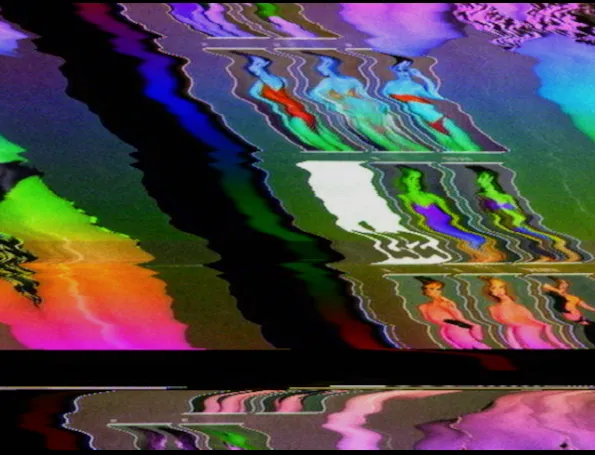
The picture still shows through, but it moves from one second to the next.
What made the colour look right#
The cable company scrambled a channel by removing the timing marks that tell a TV where each line of the picture starts, and it left the colour alone. Our first attempts added faults to the colour directly, and they looked fake.
Each line of a broadcast starts with a short colour reference, and the TV uses the timing marks to find it. Without the marks, the TV often reads the wrong spot. It averages that reference over dozens of lines, so one wrong reading tints a whole band of the picture. Once the simulated TV could make that mistake, the bands showed up with no code written to draw them. We also made the TV's colour timing wander slowly, which keeps the bands moving.
Photos from Wikimedia Commons under CC BY-SA 3.0, and the stills here are under the same licence: LIZ fashion's 1984 catalogue cover (top and animation), and Tami Ben Ami in Gottex by Yaakov Saar for the Israeli Government Press Office, 1980.

_-_Tami_Ben_Ami_in_a_Gottex_Bathing_Suit.jpg)
The changelog lists every change.